

The racers on Street Outlaws pay for their cars the same way most serious racers do: with a mix of regular work, business income, race winnings, sponsorship and television work.
There is no single answer, because the cast was never one kind of worker. The original Oklahoma City crew, known as the 405, included shop owners, mechanics and other blue-collar workers who raced long before television found them.
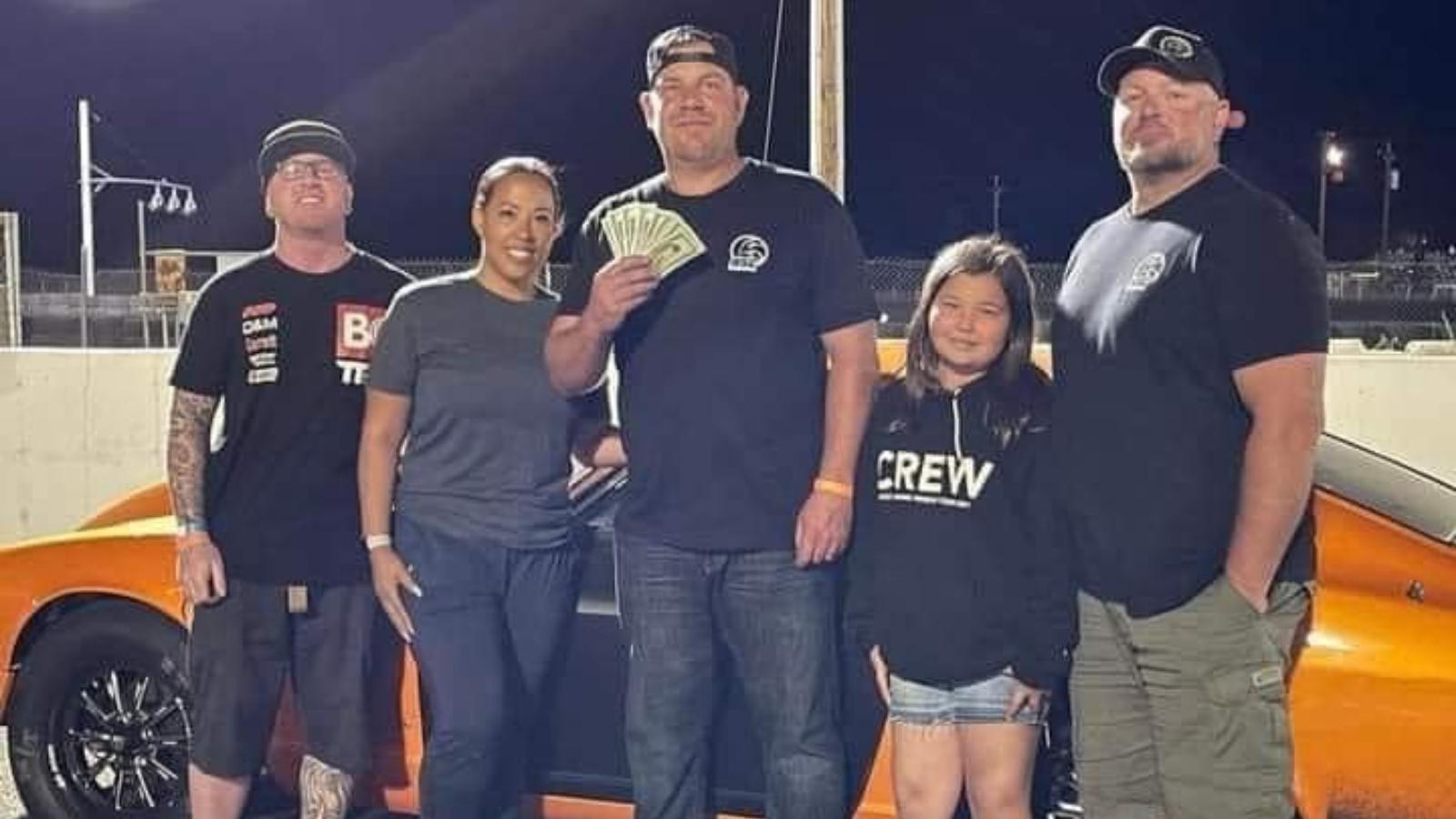
Credit: dragillustrated.com
What Is Street Outlaws?
Street Outlaws premiered on Discovery Channel on 10 June 2013. It followed Oklahoma City’s fastest street racers as they fought for places on the 405’s top-ten list.
The list was simple. To move up, a driver had to challenge and beat someone ranked above them. That ranking system, plus the rivalries between drivers, became the core of the show.
The series later grew into spin-offs, including Street Outlaws: No Prep Kings, in which drivers race on unprepared surfaces at organised events around the country.
The Main Ways Street Outlaws Racers Make Money
1. Day jobs and race shops
Many cast members had jobs or businesses before the show, and racing grew out of that work.
Examples include:
- Ryan Martin, co-owner of B&R Performance in Oklahoma City, a performance shop that builds fast street and competition cars
- Shawn “Murder Nova” Ellington, who runs 187 Customs in Oklahoma
- James “Doc” Love, a diesel mechanic who ran his own shop before filming took over much of his time
Doc has said openly that filming several shows at once cost him time at his shop, and that he eventually had to choose between running the business and continuing to film. That trade-off shows why television money alone did not replace a working income for everyone.
2. Television work
Cast members were paid to appear on Street Outlaws and its spin-offs. The exact per-episode pay was not made public by Discovery, and figures repeated online are estimates, not confirmed salaries.
Television also gave racers something just as valuable: a national audience. That audience helped them sell merchandise, attract sponsors and fill seats at live events.
3. Race winnings and side bets
Racing itself can pay, but it is unreliable income.
In the early list-racing days, drivers raced for pride, ranking and money put up by the drivers and their supporters. In No Prep Kings, the stakes were larger and more formal. In past seasons, an event winner could take home a $40,000 first-place purse, with more than $320,000 on offer across an eight-event run.
Prize money varies by season and format, so there is no fixed weekly amount. A later No Prep Kings season used a $25,000 invitational prize and a $200,000 final, which shows how much the format changed over time.
Winning helps pay the bills. It rarely covers a full season on its own.
4. Sponsorships
Sponsors are a major part of modern no-prep racing. Car parts makers, tool companies, tyre brands and local businesses pay to have their names on fast, well-known cars.
For example, Shawn Ellington’s 187 Customs team has partnered with Ram Jack, a foundation repair company, for No Prep Kings racing. Deals like that help cover parts, travel and crew costs.
Sponsorship usually depends on results and visibility. A driver who wins and draws a crowd is easier to sponsor than one who does not.
5. Merchandise and fan events
T-shirts, hats, scale cars and other merchandise sold at events and online are a steady income stream for well-known drivers.
Live appearances matter too. Fans pay to see the cars and drivers in person, and event promoters pay drivers to appear. For popular names such as Ryan Martin, whose Fireball Camaro became one of the show’s most recognisable cars, merchandise and appearances became a real business.
6. Building and tuning cars for others
Some racers earn money from the same skills they use on their own cars. Shop work, engine building, tuning and car preparation for paying customers can fund a racing programme far more reliably than prize money alone.
Where Did Ryan Martin Get His Money?
Ryan Martin is an Oklahoma City performance car builder and drag racer, not a tech company founder.
He is co-owner of B&R Performance in Oklahoma City, alongside business partner Billy Hayes. He became widely known driving the red Fireball Camaro, a heavily modified 2010 Chevrolet Camaro SS, and went on to win multiple No Prep Kings championships.
His income comes from the same mix as other top drivers: shop work, racing, sponsorship, merchandise and television. He is not the Ryan Martin who co-founded the investment platform Wealthfront, and he does not have a confirmed $600 million fortune.
How Much Does a Street Outlaws Car Cost?
A top-level Street Outlaws car is far more expensive than a basic street car.
A competitive Pro Mod-style car can cost roughly $250,000 to $500,000 to build, before spare parts, a truck and trailer, crew costs and travel. Some published estimates put a new, competitive Pro Mod at $450,000 to $500,000, with a single high-end engine alone costing tens of thousands of dollars.
That is why sponsorship, shop income and television work matter so much. Prize money from one race does not buy a car like that.
A cheaper, entry-level drag car can be built for far less, but it would not be competitive at the top of No Prep Kings.
Are Street Outlaws Races Illegal?
This needs care, because the show’s name causes confusion.
Street racing on public roads is illegal. The televised Street Outlaws races, however, were organised events filmed on closed or permitted courses, not races run through live traffic for the cameras.
The show grew out of an underground street-racing culture, but what viewers saw on television was a produced, permitted competition. That distinction matters, and it is wrong to present every cast member as funding racing through illegal activity.
What Happened to the Show?
After 15 seasons of the original show and many spin-offs, the Street Outlaws era wound down in 2025. Drag Illustrated reported that Speed Promotions Racing, which had taken over the No Prep Kings framework, cancelled the final races of its 2025 season.
Cast members have since moved into other racing series. In 2026, for example, Ryan Martin, Shawn Ellington and other Street Outlaws names appeared in NHRA’s new Outlaw Street exhibition class, with Martin winning its debut at the 2026 NHRA 4-Wide Nationals.
Two Claims to Correct
Did Doc from Street Outlaws die?
No. James “Doc” Love is alive. He gave a detailed interview to Drag Illustrated in 2025 about the show’s early days, its costs and his decision to step back from his shop to keep filming.
Did Shawn “Murder Nova” Ellington die?
No. Shawn Ellington is alive. Discovery’s current show pages still list him as overseeing the 405 crew, and he raced in NHRA’s Outlaw Street class in 2026.
Frequently Asked Questions
Where do Street Outlaws get their money?
From a mix of day jobs and race shops, television pay, race winnings, sponsorships, merchandise and car-building work. No one source explains the whole cast.
How much is No Prep Kings prize money?
It varies by season and format. Past seasons offered a $40,000 first-place purse per event. Later formats used different prizes, including a $25,000 invitational prize and a $200,000 final.
Do Street Outlaws racers have real jobs?
Many did, especially early on. The original cast included mechanics, shop owners and other working racers, and several still run shops today.
How much does a top Street Outlaws car cost?
A competitive Pro Mod-style car can cost roughly $250,000 to $500,000 to build, plus running costs, spares and transport. That is far above the cost of an ordinary street car.


